On this page 7 sections
Plaque and tartar: what is the difference?
Plaque is a soft, sticky film of bacteria that forms on your teeth every day. It feeds on sugar from food and drinks and makes acids that can weaken enamel and irritate your gums.
Plaque is soft, so a toothbrush and floss can remove it. When it is left in place, minerals from your saliva slowly harden it into tartar, which dentists call calculus. Tartar is rough, often yellow or brown, and tends to build up behind the lower front teeth and along the gum line.
Once plaque has hardened into tartar, brushing cannot remove it, however hard you scrub. Brushing harder only wears enamel and pushes back gums. Tartar needs to be removed with dental instruments, and that is what a professional clean is for.
What happens during scaling and polishing
A professional clean is usually called scaling and polishing. It normally takes about 30 to 60 minutes, depending on how much tartar there is.
- Ultrasonic scaler: a small tip that vibrates quickly and sprays a fine mist of water to loosen and wash away tartar.
- Hand instruments: fine tools used to remove smaller deposits and check the areas between teeth and just under the gum line.
- Polish: a gritty paste on a soft rotating cup that smooths the tooth surface and lifts surface stains.
Most people describe the feeling as vibration, water and a scraping sound. Some sensitivity is possible, especially if there is a lot of tartar or your gums are inflamed. Tell the team if anything feels uncomfortable; they can pause, adjust, or talk with you about numbing options. Gums may bleed a little afterwards, and this usually settles within a few days as they heal.
So, how often?
Many people do well with a check-up and clean about every six months. That is a common guide, not a fixed rule. Your dentist sets your interval after looking at your teeth and gums, your history and how quickly tartar builds up for you.
Some people may be advised to come more often, for example every three to four months. This often includes people who:
- have had gum disease before
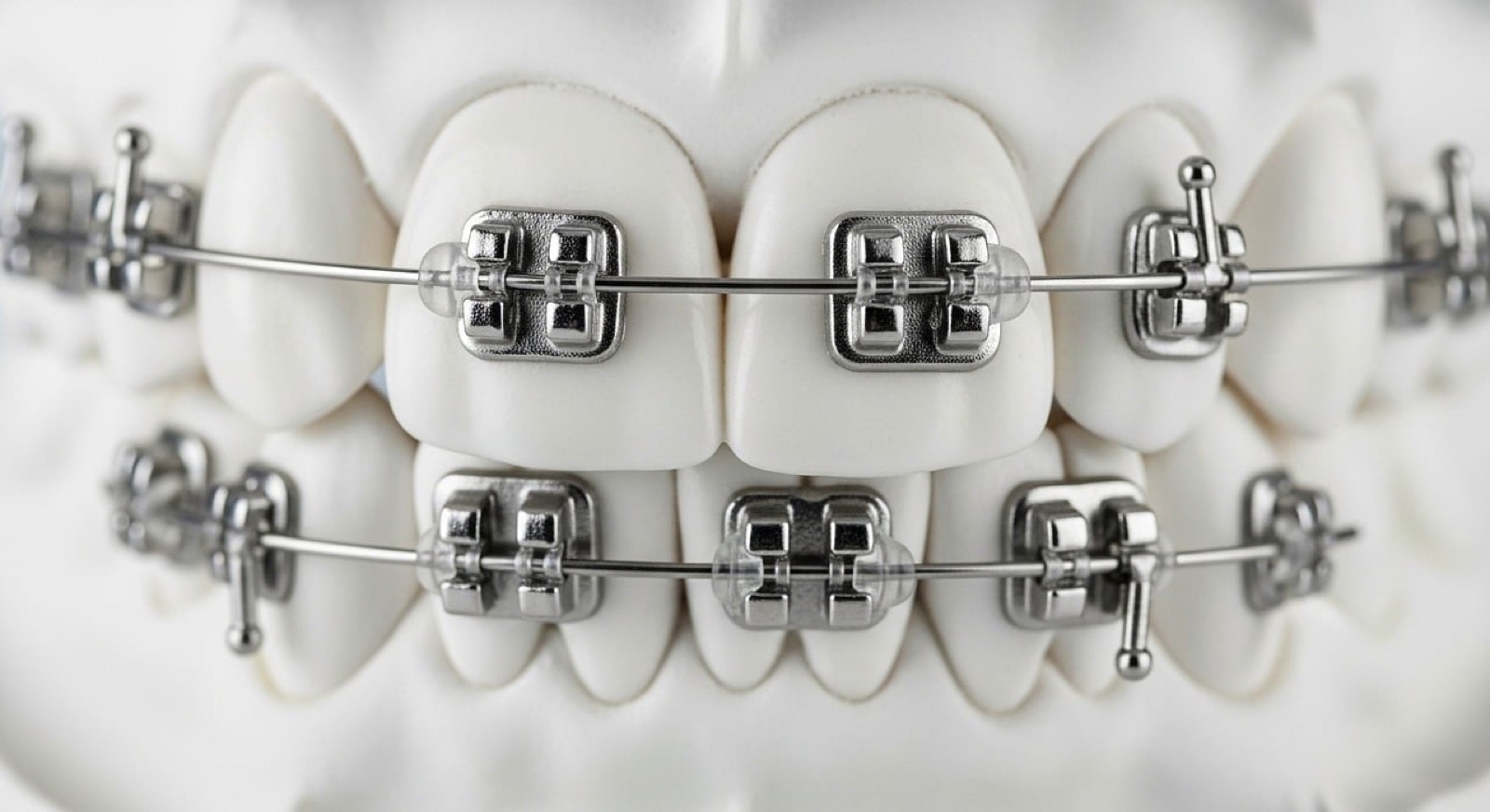
- wear braces or other appliances that trap plaque
- have diabetes, which can affect gum health
- smoke
- build up tartar quickly
Others with healthy gums, little tartar and a steady home routine may be advised that they can wait longer. International guidance, such as the NICE guideline used in the UK, supports this idea: recall intervals should be set for each person rather than the same for everyone.
Signs it may be time to come in sooner
You do not need to wait for your next booked visit if you notice:
- gums that bleed when you brush or floss
- bad breath that keeps coming back
- tartar you can see or feel, often behind the lower front teeth
- a tooth that feels loose, or gums that look like they are pulling back
- food that keeps getting trapped in the same spot
These signs have many possible causes, and most are easier to manage when they are checked early.
Cleaning and whitening are not the same thing. A clean removes plaque, tartar and some surface stains so your gums can stay healthy. Whitening changes the shade of the tooth itself and does not remove tartar. If you are thinking about whitening, a clean and check-up usually comes first.
Simple home care between visits
A professional clean works alongside your daily routine, not instead of it. These habits are recommended by dental bodies around the world:
- Brush twice a day for about two minutes with a fluoride toothpaste, including last thing at night.
- Clean between your teeth once a day with floss or small interdental brushes.
- Keep sugary drinks and snacks to mealtimes rather than sipping or snacking through the day. Choose water between meals.
- After brushing, spit out the extra toothpaste but do not rinse, so the fluoride stays on your teeth longer.
What about children?

Children can build up plaque too, and early visits help them get used to the dental chair in a calm way. A child's check-up may include a gentle clean, advice on brushing, and preventive care such as fluoride or fissure sealants where the dentist feels they will help. Parents should help with brushing until a child can do it well on their own, often around seven or eight years old. Use a smear of fluoride toothpaste for under threes and a pea-sized amount after that.
Cost and booking in Abuja
Every mouth is different, so the cost of a check-up and clean is given as price on consultation. The team will explain what is recommended and the cost before any treatment starts, so you can decide with clear information.
If you are not sure when you last had a clean, a check-up is a good place to start. Your dentist will look at your teeth and gums, remove tartar where needed, and suggest an interval that suits you.
Due for a check-up and clean?
Pick a day and time online and the team will confirm with you on WhatsApp.