On this page 8 sections
What is a dental implant?
A dental implant replaces the root of a missing tooth. It is made of three parts that work together:
- The post (implant): a small screw, usually titanium, placed in the jawbone where the root used to be.
- The abutment: a short connector that sits on top of the post, just above the gum.
- The crown: the visible tooth, shaped and shaded to match your other teeth.
Because the post sits in the bone, an implant stands on its own. It does not need support from the teeth beside it.
Who may be suitable?
Many adults with one or more missing teeth can be considered for implants, but it depends on your mouth and your general health. At your assessment, the dentist will look at:
- Bone: there needs to be enough healthy jawbone to hold the post. Bone can shrink after a tooth has been missing for a while.
- Gum health: gum disease should be treated and settled first.
- Smoking: smoking slows healing, so the dentist will talk with you about cutting down or stopping.
- Medical conditions: conditions such as diabetes should be well controlled. Tell the dentist about any medicines you take.
None of these automatically rules you out. They are simply things to discuss honestly so the plan fits you.
The stages, step by step
1. Consultation and scan
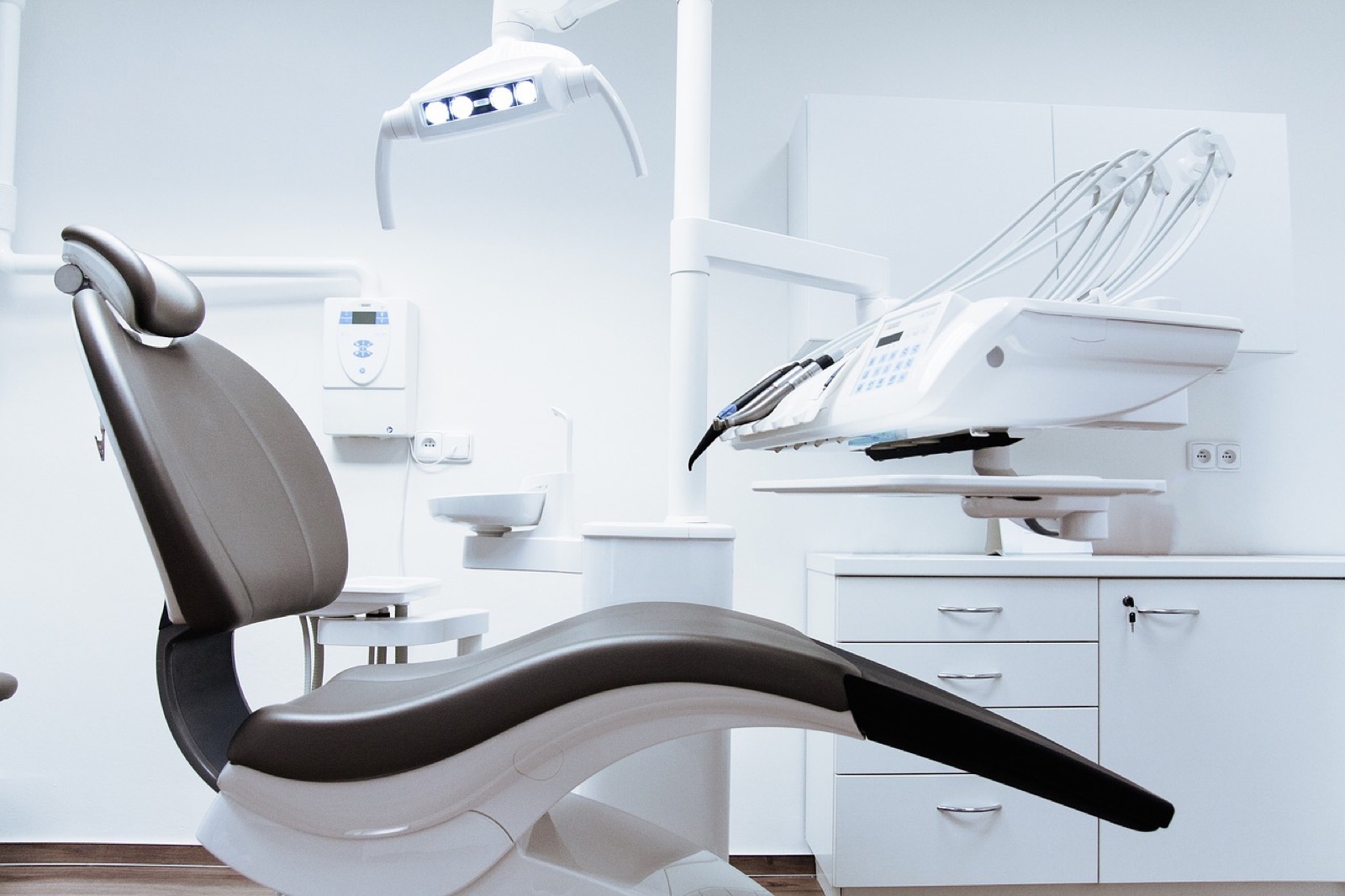
Your first visit is a conversation and an examination. The dentist checks your teeth and gums and takes X-rays or a scan to see the bone clearly.
2. Treatment plan and quote
You receive a written plan that explains the steps, the timeline and the cost. Take it home, think it over and ask questions before you decide.
3. Extraction or bone graft, if needed
If a damaged tooth is still in place, it may need to come out first. Where the bone is thin, a bone graft may be suggested to build it up before or during placement.
4. Placing the implant
The post is placed under local anaesthetic, so the area is numb. Most people are awake and comfortable, and the visit is usually shorter than they expect.
5. Healing
Over roughly 3 to 6 months, the bone grows around the post and bonds with it. This is called osseointegration. You may wear a temporary tooth during this time.
6. Impressions and your final crown
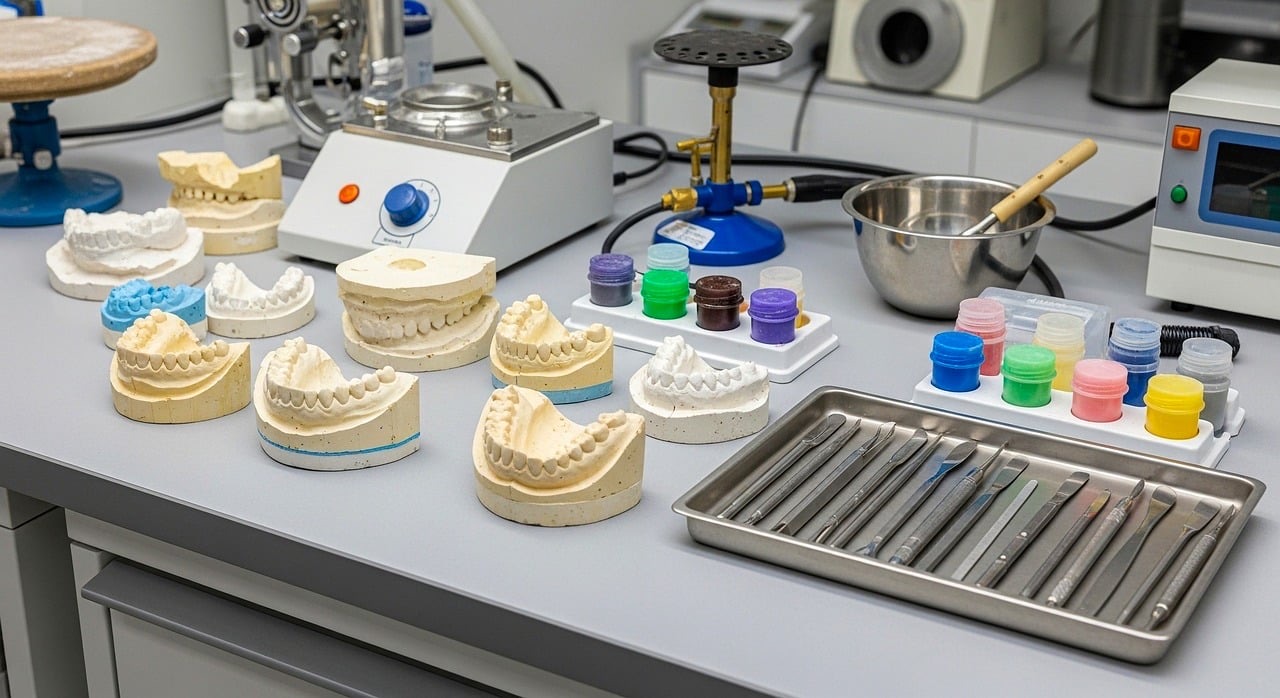
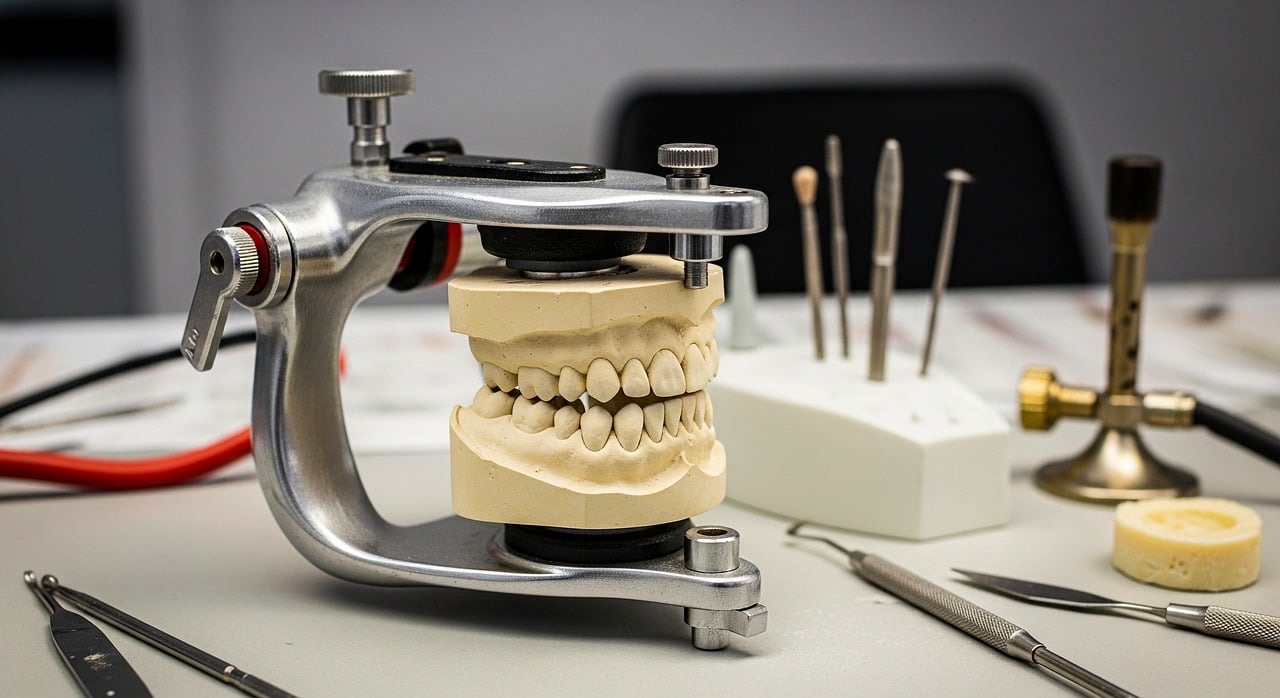
Once the post is stable, the abutment is attached and impressions or a digital scan are taken. Vista has its own dental lab on site, where your final crown can be made and adjusted. Then the crown is fitted and your bite is checked.
What it feels like, and normal aftercare
Once the anaesthetic wears off, some soreness, mild swelling or slight bruising for a few days is normal. Your dentist will advise on pain relief that suits you.
- Eat soft foods for the first few days, such as pap, yam porridge, eggs, soup or rice, and chew on the other side.
- After the first 24 hours, rinse gently with warm salt water a few times a day, especially after meals.
- Avoid smoking while you heal. It slows healing and raises the risk of problems.
- Keep brushing your other teeth, and clean gently around the area as advised.
When to call us: if pain gets worse after the third day, swelling keeps growing, bleeding will not settle with gentle pressure, or you have a fever, contact the clinic so the team can check it.
Looking after your implant long term
An implant cannot decay, but the gum and bone around it still need care. Brush twice a day, clean between your teeth with floss or small interdental brushes, and keep your regular check-ups and cleaning visits. If you grind your teeth at night, ask about a night guard.
Other options to consider
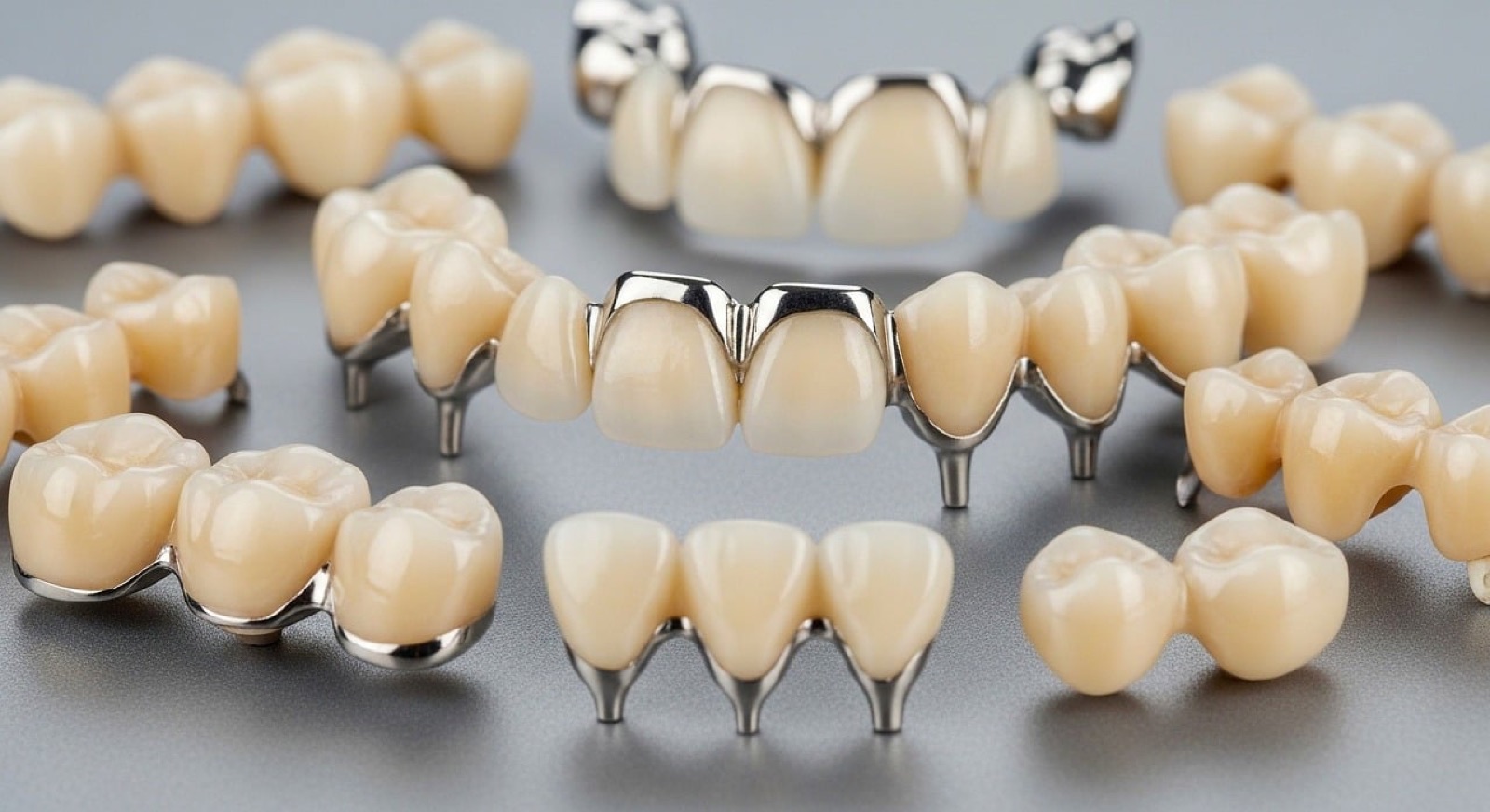
An implant is one way to replace a tooth, not the only way. A bridge fills a gap by attaching a false tooth to crowns on the neighbouring teeth, which means those teeth are trimmed. A partial denture is removable and can replace several teeth at once, often at a lower cost. Each option has its own strengths, and a good consultation weighs them fairly with you.
Questions to ask at your consultation
- Is my bone strong enough, or will I need a graft?
- How many visits will I need, and over how many months?
- What will I wear while the implant heals?
- What materials will be used for the post and crown?
- What does the quote include, and how can I pay?
- How would a bridge or partial denture compare for me?
How much does a dental implant cost in Abuja?
The price is given on consultation, because it depends on how many teeth are being replaced, whether you need a bone graft or extraction, and the materials chosen for the crown. After your assessment, you will get a clear quote before any treatment starts.
Thinking about an implant?
Book an assessment and talk through your options with the team. You can also ask a quick question on WhatsApp first.